
Emergency Appeal • Nepal
The Roads Are Gone. The Church Is Still There.
Floods and landslides have devastated Nepal's Rasuwa District. Homes, bridges and churches have been swept away, and whole communities remain cut off. Nepal's churches are already responding — reaching valleys on foot where the roads no longer exist. Your gift helps them carry food, clean water, shelter and medical care to families who have lost everything.
Delivered by the Church in Nepal
WEA does not run relief operations from a distance. Your gift is directed through our national alliance partners in Nepal, (The National Churches Fellowship of Nepal and the Nepal Christian Society), and delivered by local churches and response teams already on the ground.
These are believers who live in these valleys. They know these families by name. They were there before the flood, and they will still be there long after the story leaves the news — rebuilding homes, burying the dead, sitting with the grieving, and bearing faithful witness in the places hardest to reach.
Where your gift goes
Food and clean water
Emergency food supplies and safe drinking water for households displaced by the floods, in communities where water sources have been contaminated or cut off.
Shelter and household essentials
Temporary shelter, bedding, cooking equipment and basic supplies for families whose homes have been destroyed or made unsafe.
Medical care
Support for the rescue team providing medical assistance, including supplies for treating injuries and preventing waterborne illness.
Reaching the unreachable
Transportation and logistics for responders working where more than 40% of roads have gone — the least visible part of any relief effort, and often the difference between aid existing and aid arriving.
Latest Update
Nepal flood victims in temporary shelters face critical shortages as youth teams step up relief efforts
The disastrous flooding that engulfed Nepal and neighboring countries is over, but the effects and the displacement of thousands continues.
World Evangelical Alliance (WEA) clergy and lay persons from Nepal have reported that families displaced by recent flooding in Nepal are currently staying in temporary shelters, including local government schools, community halls, and churches.
Relief distribution has been complicated by administrative delays linked to a single-door system for processing and approvals. In response, the Youth Committee of the Alliance, through its NCFN Youth team, has initiated a coordinated approach aimed at accelerating support while maintaining alignment with local systems. Youth volunteers are being mobilized from local churches and communities to assist on the ground, including helping streamline operations, fast-track data collection, and support orderly distribution of relief materials.
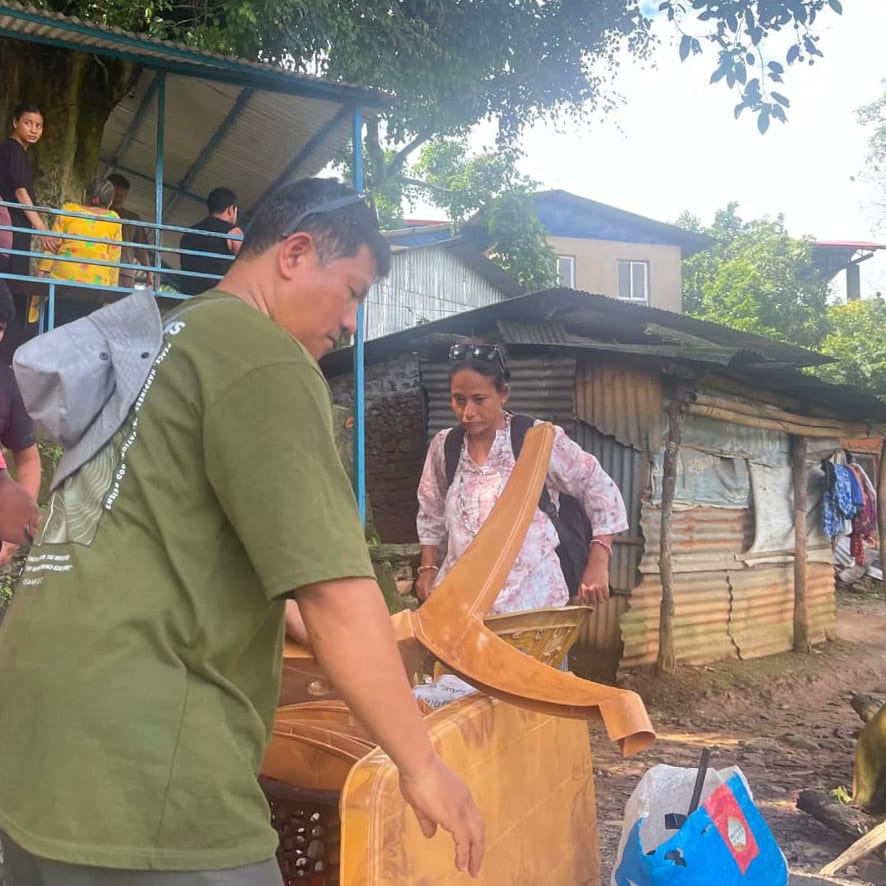
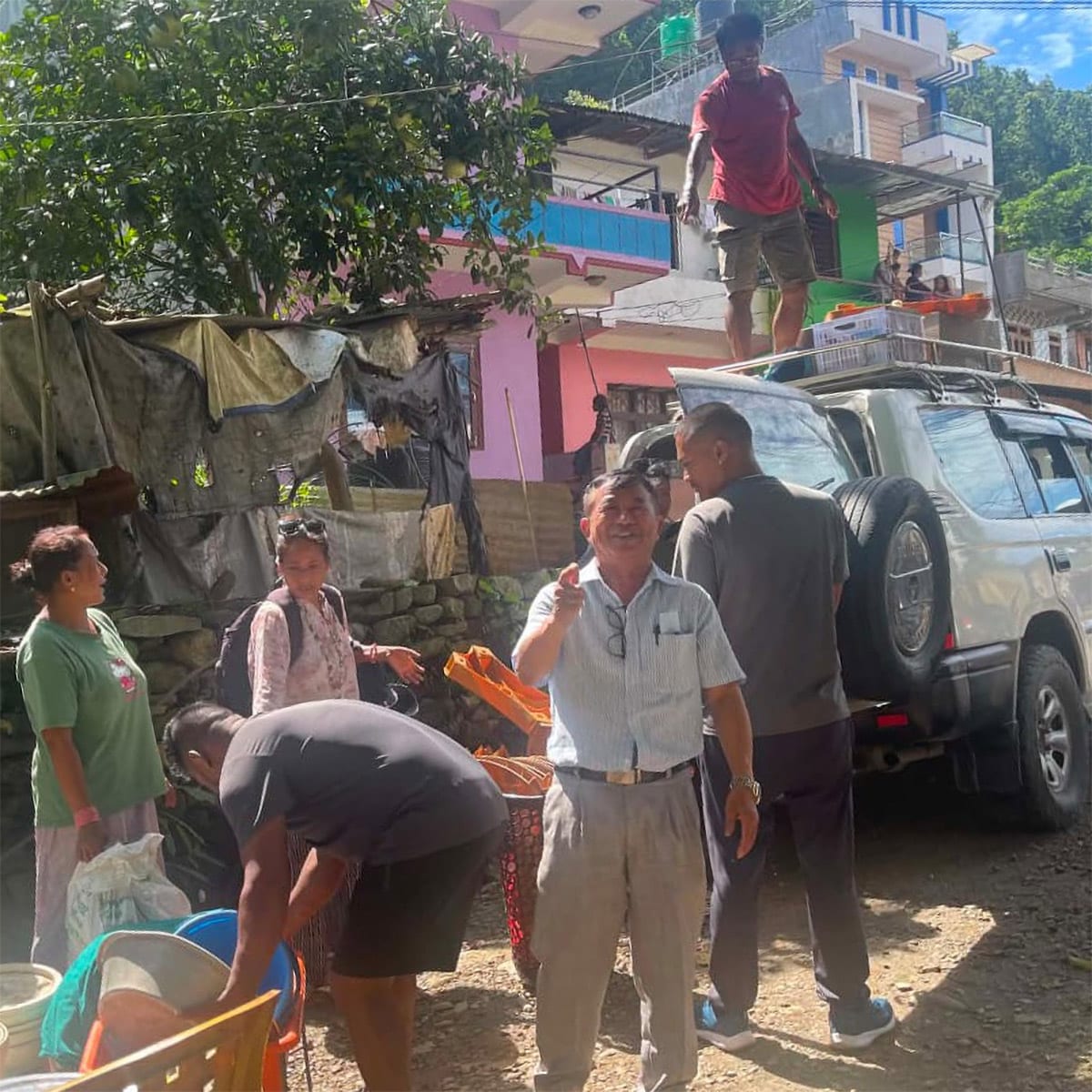
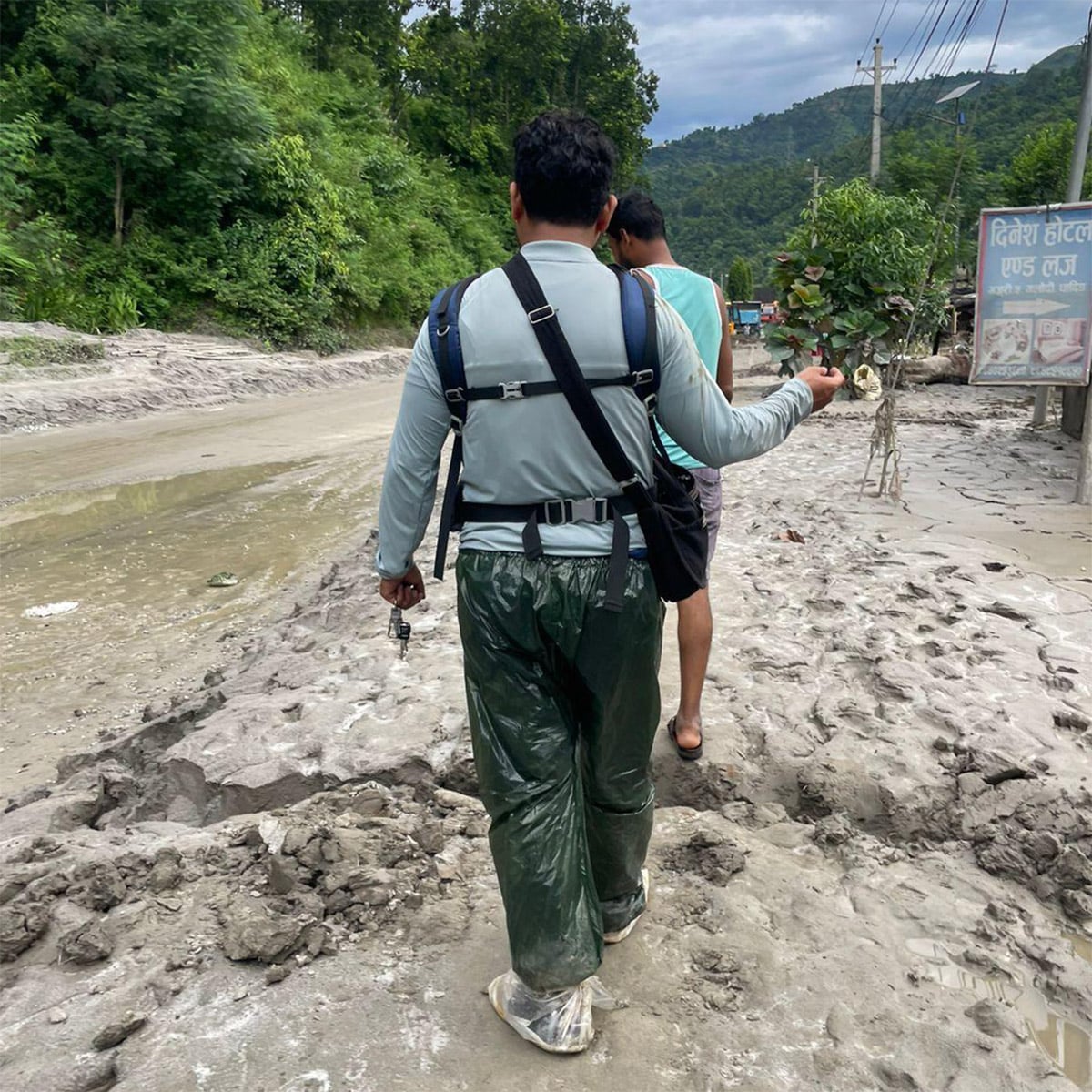
The team is also working directly with local government officials and disaster management units to secure necessary permissions and bridge administrative gaps, with the goal of ensuring aid reaches the most vulnerable without unnecessary delays. In the shelters themselves—schools, community halls, and churches—volunteers are tasked with providing targeted logistics support such as sorting and packaging supplies and managing distribution to reduce bottlenecks and speed up delivery.
First responders stated that this structured volunteer support and active administrative coordination are intended to help overcome distribution delays and improve the pace at which aid is delivered to flood-affected households.
While basic food supplies have been managed for the time being, first responders report that many affected people are confronting severe daily struggles due to ongoing gaps in essential assistance and household needs.
Residents said they urgently require cooking and kitchen essentials such as gas cylinders, stoves, and utensils, noting that without these items they struggle to prepare meals regularly and safely. Many families have also lost clothing and footwear during the disaster, creating an immediate need for basic garments and slippers or shoes. In addition, the affected areas remain without electricity, leaving shelters and displaced communities disconnected. Government efforts to restore power are reportedly underway, but responders emphasized that portable or solar lighting is needed immediately to support daily life in the shelters.
See WEA report on the role of Churches in supporting the people of Nepal here.
Last updated: 3rd September 2026


Stay Connected